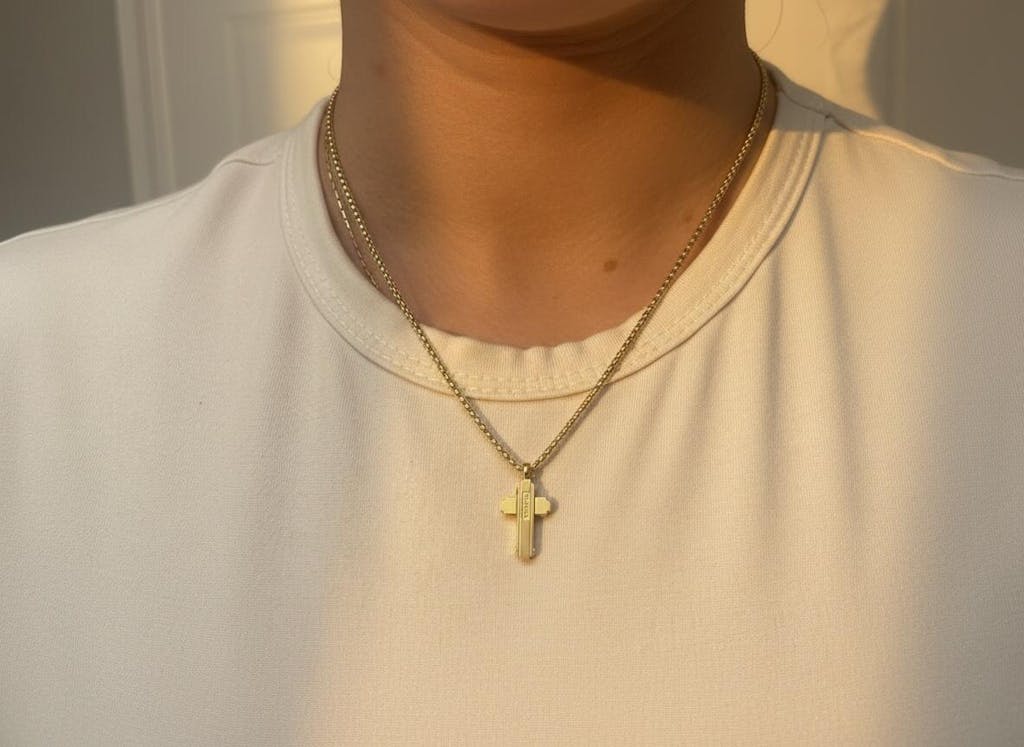
The Difference Between 304 Steel, 316L Steel, and Silver
In fine jewelry, the true value of a piece lies not only in its design, but in the integrity of the material behind it.
Understanding the difference between 304 stainless steel, 316L stainless steel, and silver allows you to choose jewelry that reflects both elegance and longevity.
304 Stainless Steel — An Accessible Foundation

Designed for occasional wear, not for permanence.
304 stainless steel is a widely used alloy, often found in more accessible jewelry collections.
While it offers a clean appearance at first, its performance over time is limited:
- Moderate resistance to wear
- Susceptible to dulling and surface alteration
- Reduced protection against moisture and daily exposure
Positioning: An entry-level material that serves a purpose, but lacks the refinement and endurance expected from premium jewelry.
316L Stainless Steel — Precision & Endurance
 Engineered for everyday wear — built to endure without compromise.
316L stainless steel represents a higher standard of craftsmanship.
Often referred to as surgical-grade steel, it is engineered for environments where durability and purity are essential.
Its composition offers:
- Exceptional resistance to tarnish and corrosion
- Stability under water, humidity, and daily wear
- Hypoallergenic properties, ensuring comfort on all skin types
- A lasting brilliance that requires minimal maintenance
Positioning: A material of precision and resilience — designed to maintain its integrity and elegance over time.
Sterling Silver — Classic, Yet Demanding
 Refined in appearance, but requires ongoing care to preserve its brilliance.
Sterling silver (925) has long been associated with timeless beauty and traditional jewelry making.
Its luminous finish is undeniably refined, yet it requires attentive care:
- Naturally prone to oxidation and darkening
- Sensitive to air, moisture, and skin chemistry
- Requires regular polishing to preserve its brilliance
- Softer structure, making it more vulnerable to marks and wear
Positioning: A noble material, appreciated for its aesthetic, yet dependent on maintenance to sustain its allure.
Comparative Perspective
- 304 Steel: Accessible, yet limited in longevity
- 316L Steel: Balanced excellence — durability, purity, and enduring brilliance
- Silver: Timeless elegance, accompanied by ongoing care
Final Consideration
True luxury is not only defined by appearance, but by permanence.
A piece that endures — that resists time, elements, and daily life — becomes more than jewelry.
It becomes part of you.
This is why 316L stainless steel stands apart:
a material that unites strength, refinement, and lasting lifetime beauty without compromise and without the high price tag.